Guadeloupe, French Antilles
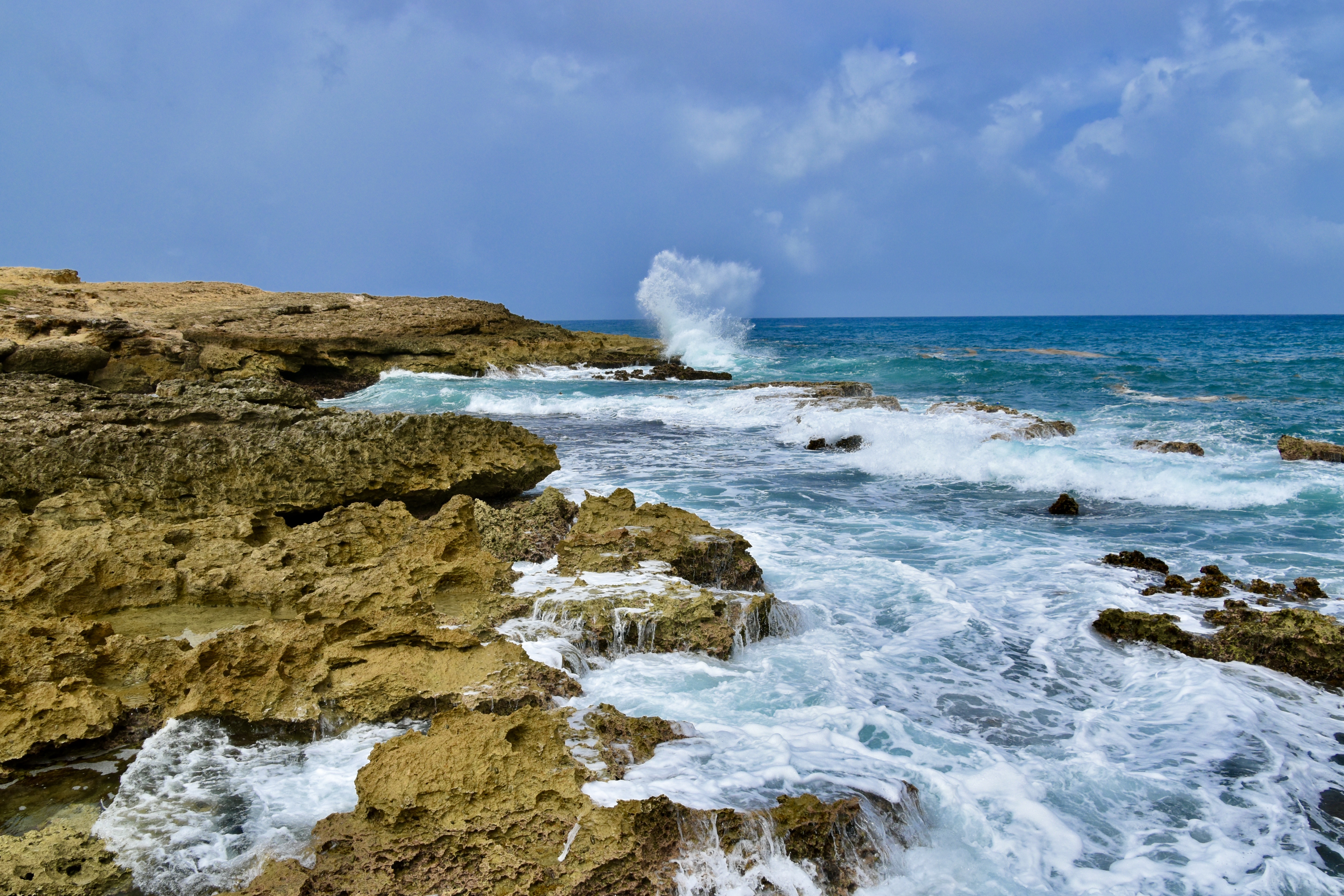
Fall 2022
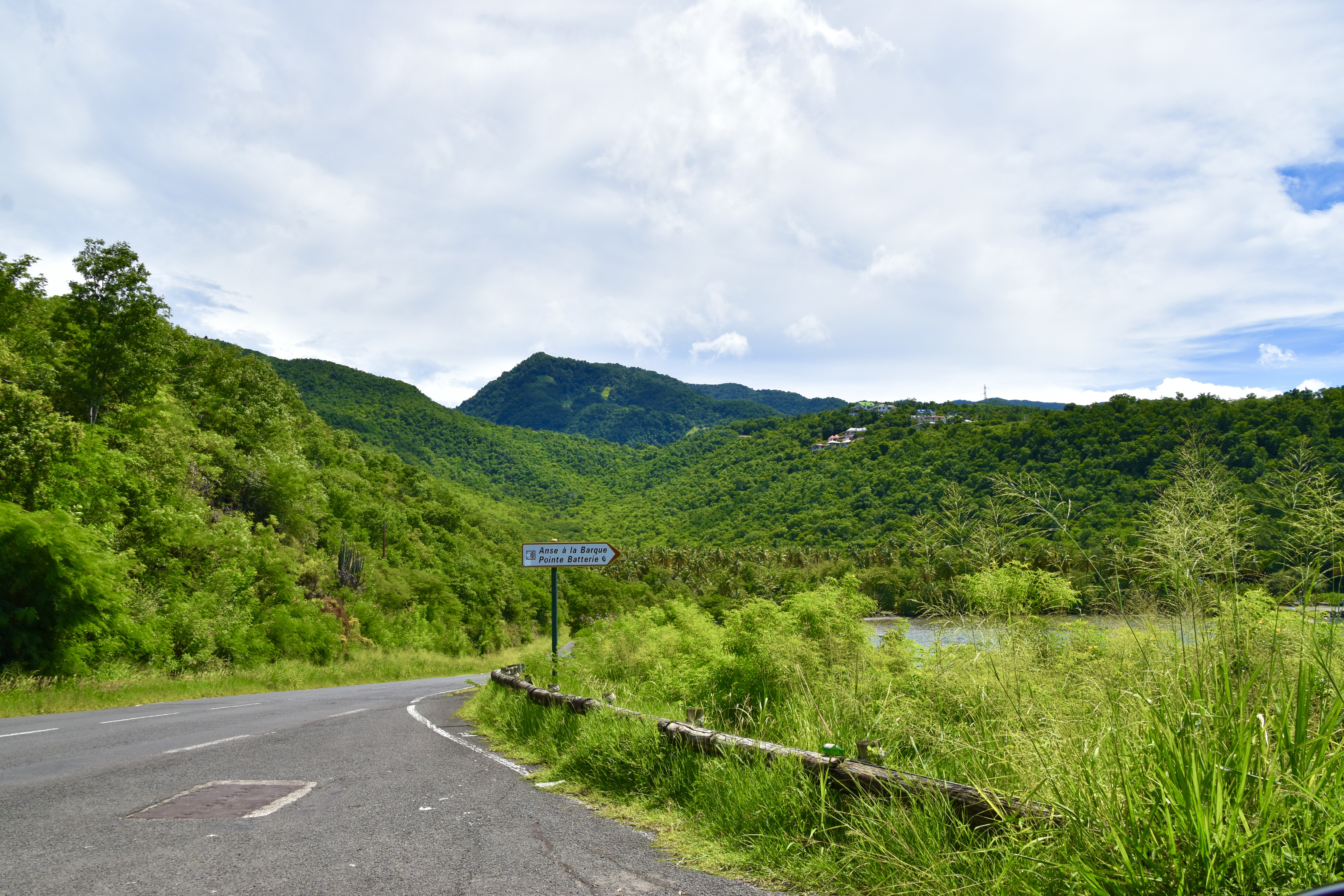
“Be careful,” the woman at the car rental counter in Pointe-à-Pitre advised me as she handed over the keys. “The roads are good, but there are lots of hills, curves, and roundabouts!” She wasn’t exaggerating – while the roads are well-maintained, they often wind through mountainous terrain with hairpin turns, and some locals drive with a speed that rivals a Formula One race, while somehow managing to still be courteous. But having a car is essential for exploring the diverse and welcoming island of Guadeloupe.
You’ve likely heard of the French Antilles islands of Saint Martin, St Barts, and Martinique, but have you heard much about Guadeloupe? It’s not just the stunning Caribbean destination you expect, Guadeloupe is also the real-life backdrop for the famous show Death in Paradise. I spent a week exploring this beautiful but under-the-radar island, with white sand beaches and lush rainforests. As a senior and traveling by myself, I found the island was easy to navigate – a car is a must-have though – and very safe for exploring. There is a lot to do and see, especially if you love the outdoors, hiking, and photography. But you’ll also have opportunities to relax on some of the nicest and quietest beaches in the Caribbean, enjoying crystal-clear water and beautiful sunsets.
Guadeloupe consists of several islands, with the two main ones being Basse-Terre and Grand-Terre. These two islands are separated by a narrow sea channel called the Rivière Salée (Salt River) and together they form the shape of a butterfly, giving rise to Guadeloupe’s nickname “The Butterfly Island.” On both islands, the people are warm and hospitable, reflecting the vibrant blend of cultures that have shaped the island’s identity. With influences from African, European, Caribbean, and indigenous heritage, Guadeloupeans take pride in their diverse backgrounds. Guadeloupe is an overseas department and region of France, and is subject to French law and administration, and its residents are French citizens. This allows the island to benefit from certain aspects of French governance while maintaining its unique identity. As such, the Euro is in use at all establishments, and French is the official language.
The landscape is very distinct between Basse-Terre and Grand-Terre, each offering their own unique experience. Basse-Terre, the western portion, is characterized by its volcanic origin, evident in its mountainous terrain and dense rainforests. The majestic La Soufrière volcano stands as the highest peak, surrounded by lush forests and cascading waterfalls. Grande-Terre, the eastern part, offers a striking contrast with its relatively flat and more arid landscape. It’s stunning white sandy beaches and turquoise waters are iconic of Caribbean postcard imagery. Grande-Terre also features fertile plains where agriculture thrives, contributing to the island’s culinary richness. I spent time exploring both islands although was personally drawn to Basse-Terre with its mountainous landscape, lush vegetation, hiking trails, and many waterfalls.
Hiking La Soufrière: Hiking the trails around the volcano can be challenging, but if you’re up for it, it’s worth the effort for the panoramic views and the rewarding experience of walking through lush cloud forests.
On both islands, the people are warm and hospitable, reflecting the vibrant blend of cultures that have shaped the island’s identity. With influences from African, European, Caribbean, and indigenous heritage, Guadeloupeans take pride in their diverse backgrounds. Guadeloupe is an overseas department and region of France, and is subject to French law and administration, and its residents are French citizens. This allows the island to benefit from certain aspects of French governance while maintaining its unique identity.
While French is the official language, many people also speak Creole, and English is understood in most tourist areas. It’s still a good idea to learn a few basic French phrases, especially in more rural areas where English speakers may be less common.
Where to Stay
When it comes to choosing a place to stay in Guadeloupe, you’ll be presented with a diverse array of options that cater to different preferences and experiences. However, unlike many other parts of the Caribbean, you will not find an endless row of “all-inclusive” resorts along the beaches, apart from the Club Med resort. Most resorts and hotels are “European Plan” (no meals included) while others will have a breakfast option available. Most travelers like me opt for accommodations that allow for self-catering and a wide array is available through Airbnb and VRBO. If you have mobility or accessibility issues, check through the online listings to ensure you will have comfortable and easy access to your rental property. Major French supermarkets are available across the island such as Carrefour and Leader Price and are also accessible with reserved parking spots for those with mobility issues. Most supermarkets offer fresh, warm baguettes several times throughout the day and a wonderful selection of French wines.
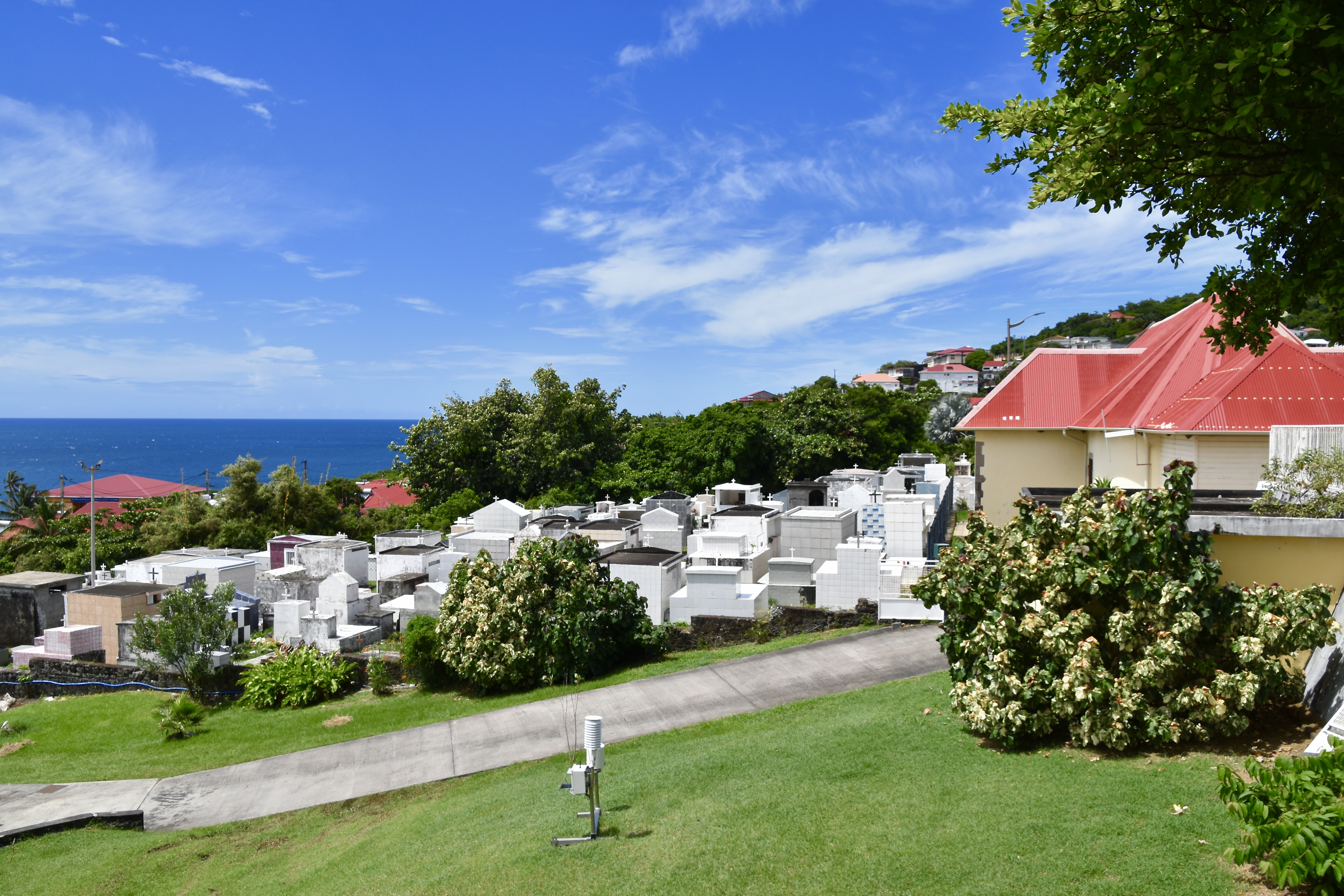
Pointe-à-Pitre offers a range of hotels and accommodations for those seeking the vibrant energy of a city and easy access to restaurants and cultural attractions, such as Mémorial ACTe. Sainte-Anne and Saint-Francois are coastal towns and ideal for those who desire tranquil beaches and a more laid-back atmosphere.
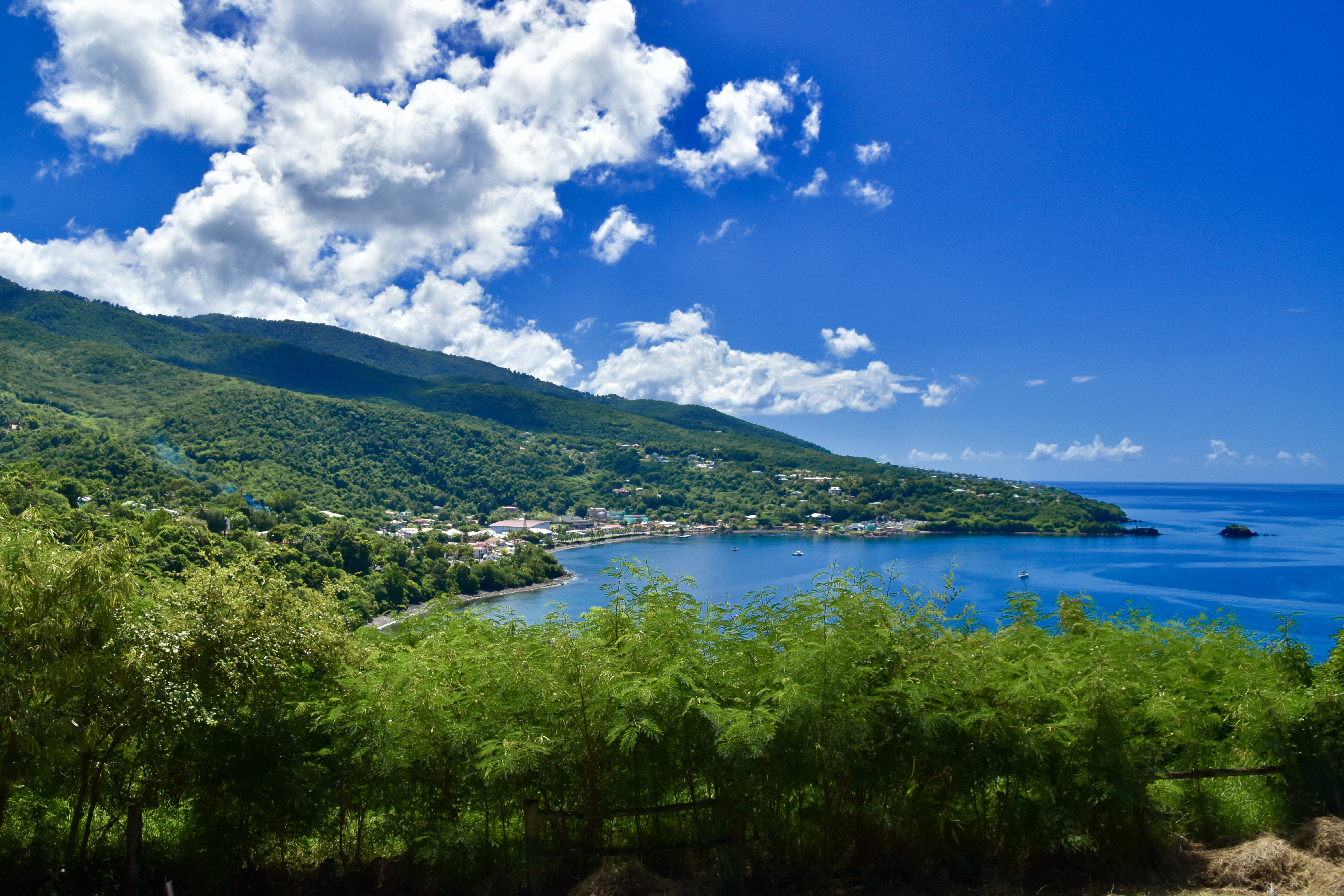
Nature? Consider accommodations near the lush rainforests and waterfalls of Basse-Terre, such as the charming village of Deshaies (which is portrayed as “Honoré” in the BBC series Death in Paradise). Adventurous travellers might prefer the southern tip of Basse-Terre, near the La Soufrière volcano, as a captivating destination offering a multitude of hiking trails catering to varying degrees of difficulty.
Consider booking early, especially during the high season (December to April), as Guadeloupe is a popular destination for both French nationals and international travelers during this time.
No matter where you decide to stay, renting a car enables you to explore both Basse-Terre and Grande-Terre with ease, ensuring you make the most of your time on the island.
What to See
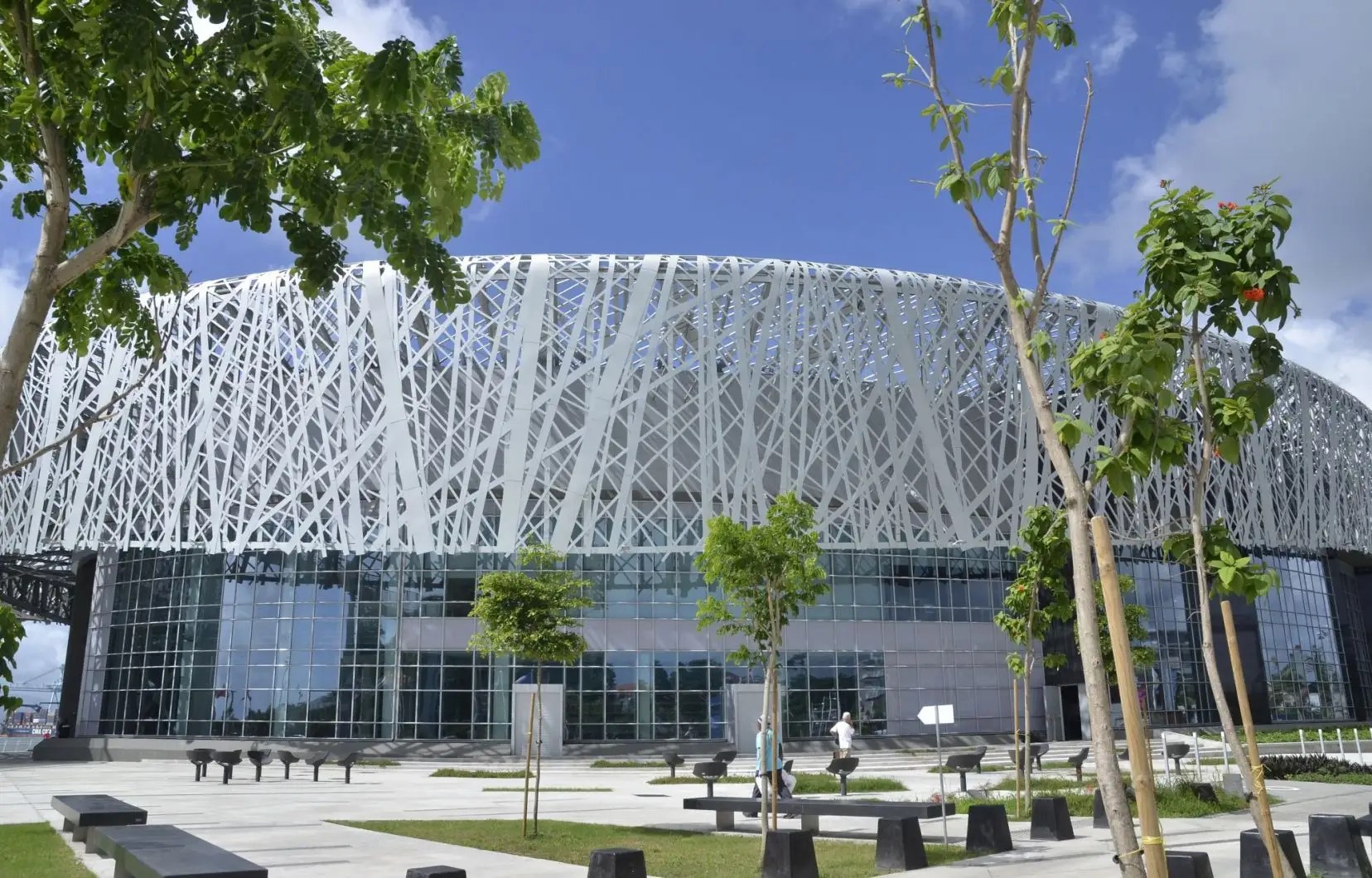
The beautiful Memorial ACTe in Pointe-à-Petrie is a thought-provoking cultural centre and museum dedicated to the Memory and History of the Slave Trade, exploring its impact on Guadeloupe and the wider Caribbean through immersive exhibits, art, and educational programs. If you are like me – a traveller and not just a tourist – then take some time away from the beach to visit Memorial ACTe and discover the history of Guadeloupe.
Other sites to see – and which are easily accessible by car – include:
- Jardin Botanique de Deshaies – brimming with beautiful tropical flora, the botanical gardens of Deshaies offers a peaceful stroll through gardens and alongside streams and waterfalls. It’s best to visit in the morning when they open before the temperature gets too steamy.
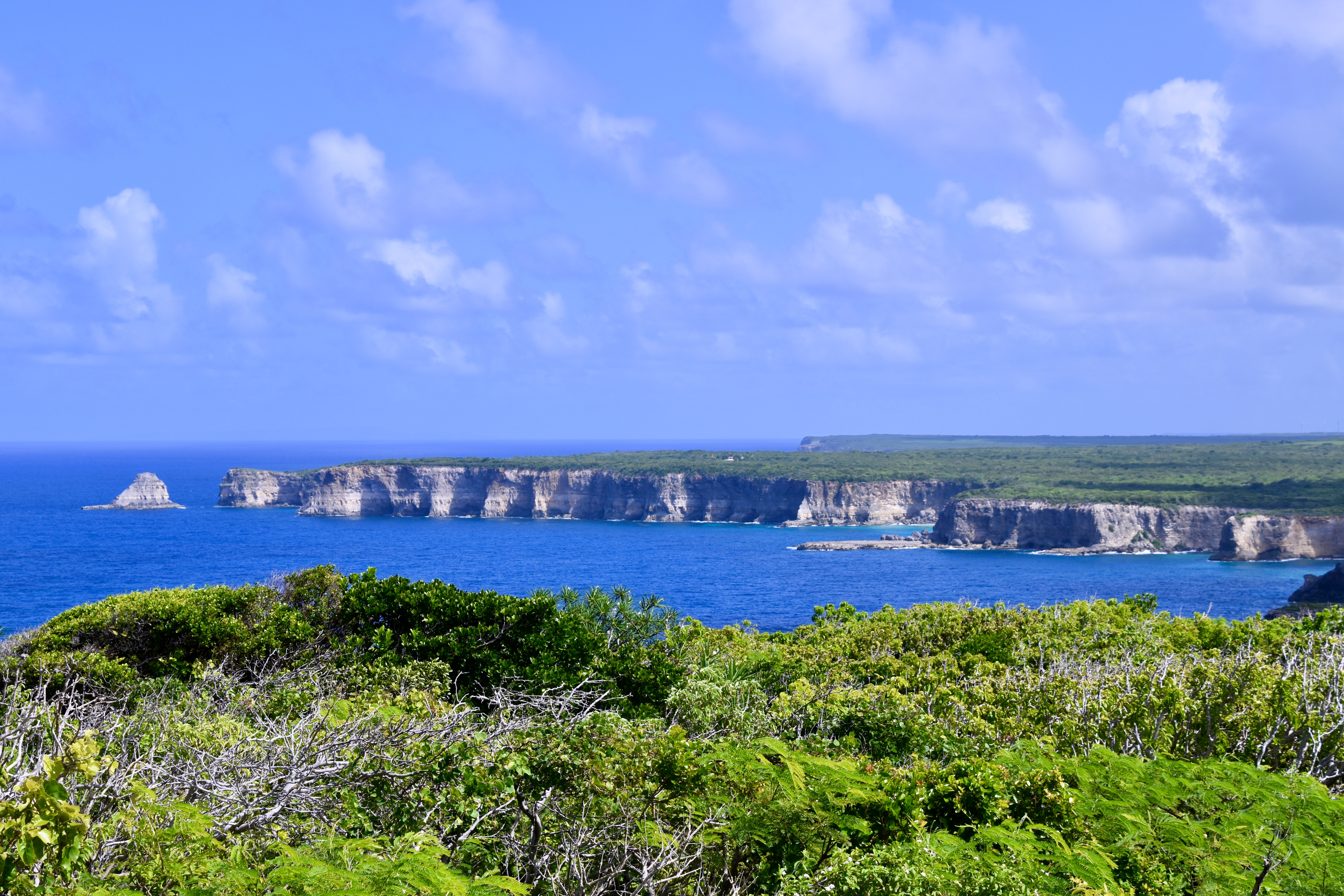
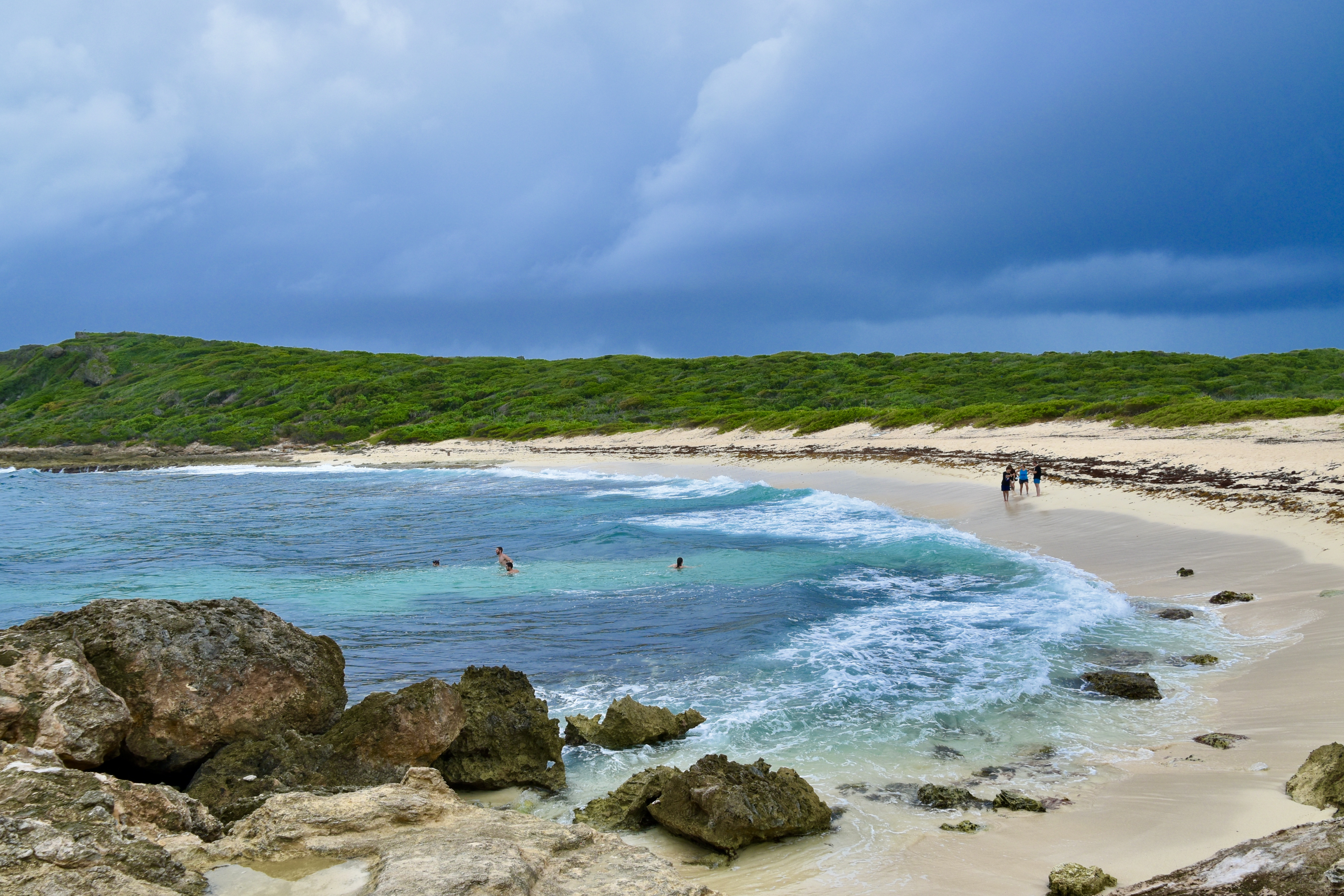
- La Pointe des Châteaux – “Castle Point”, this is a stunning natural landmark located at the easternmost tip of Grande-Terre. The dramatic coastal scene of volcanic rock, sandy coves and beaches, and scenic views here offers a unique opportunity to experience the untamed beauty of the east coast. It’s ideal for nature lovers, hikers, photographers, and anyone seeking a serene and picturesque escape.
- Guadeloupe National Park – located on Basse-Terre and covering 170 sq km of lush rainforests, pristine waterfalls, and diverse ecosystems, makes this an ideal place for nature enthusiasts and hikers. The park is home to La Soufriere volcano, picturesque hiking trails, and a rich array of plant and animal species.
- Sainte-Anne Beach – located on Grande-Terre and renowned for its powdery white sands and crystal-clear turquoise waters, making it picture postcard for this tropical paradise.
- Grande Anse Beach – nestled on the western coast, this beach captivates visitors with its expansive golden sands, gently lapping waves, and a backdrop of lush greenery, creating a serene and picturesque retreat. After some time on the beach, wander over to the nearby cafes and food trucks for some local snacks.
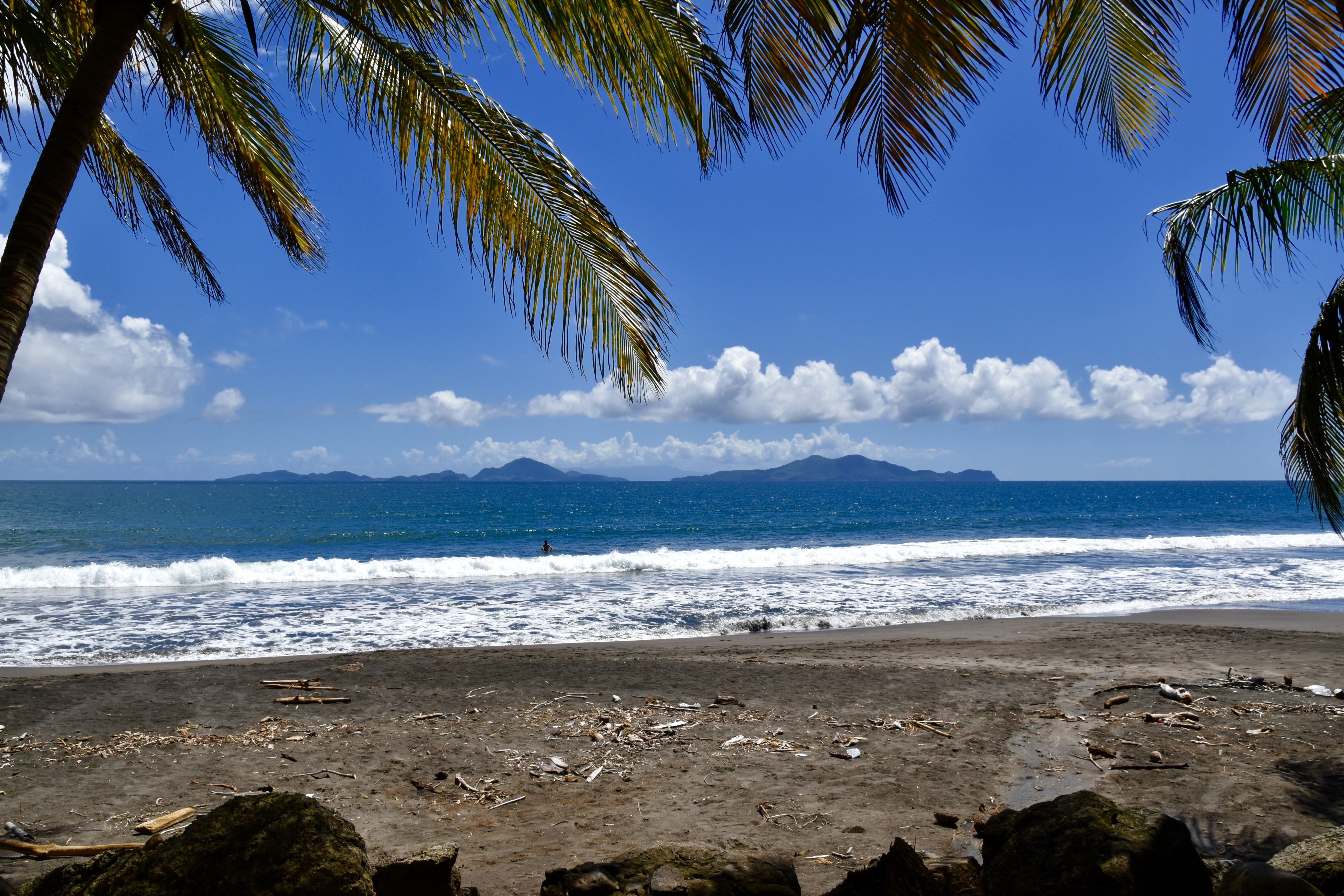
No matter what beach I was looking for, the chances are that you may have one all to yourself – you’ll never have issues finding a place to lay down your towel! The beaches are relatively quiet year-round, although it does get mildly busier in December and at the New Year.
Most beaches are public, but be mindful of the strong currents in some areas. Always check local conditions before swimming, especially in less-developed spots.
Where to Eat
Guadeloupe offers a rich culinary experience that fuses French, Caribbean, African, and indigenous flavors, creating a vibrant tapestry of tastes and aromas. Dining out can be a great adventure, where you can savor a variety of dishes that showcase the island’s diverse cultural influences and bountiful local ingredients. From Creole cuisine to fresh seafood, and from rum and punches to local markets, there is something for everyone.
- L’Optimiste – Fine dining in Saint François, with numerous appetizers and salads, mains, and desserts on offer. They have a solid and extensive list of cocktails and wines available.
- Sunset B – Located in Bouillante, they have a limited menu each evening of 4-5 mains but there is usually something to fit everyone’s taste. The focus is on local ingredients and seafood, with a Creole influence.
- L’Otantik Grill – Cozy beachside restaurant in Sainte Rose with a large patio serving daily seafood specials, with a local Creole flair, and occasional live music. I had the freshly caught garfish, grilled on the BBQ with some seasoning, and it was delicious.
- Chez Tof Table D’Hote – Located in Port Louis with amazing food and a great atmosphere, this small and cozy restaurant will let you call ahead and order something specific for your visit the next day. Great service!
And if you are self-catering or just looking for some souvenirs, don’t forget to check out the local markets: Visit the Sainte-Antoine Market in Pointe-à-Pitre, a listed historic monument site; try the colorful Sainte-Anne Market, with 15 stores in the arts and craft village; or check out Deshaies Market for fresh fruit and delicious, local honey.
Drink
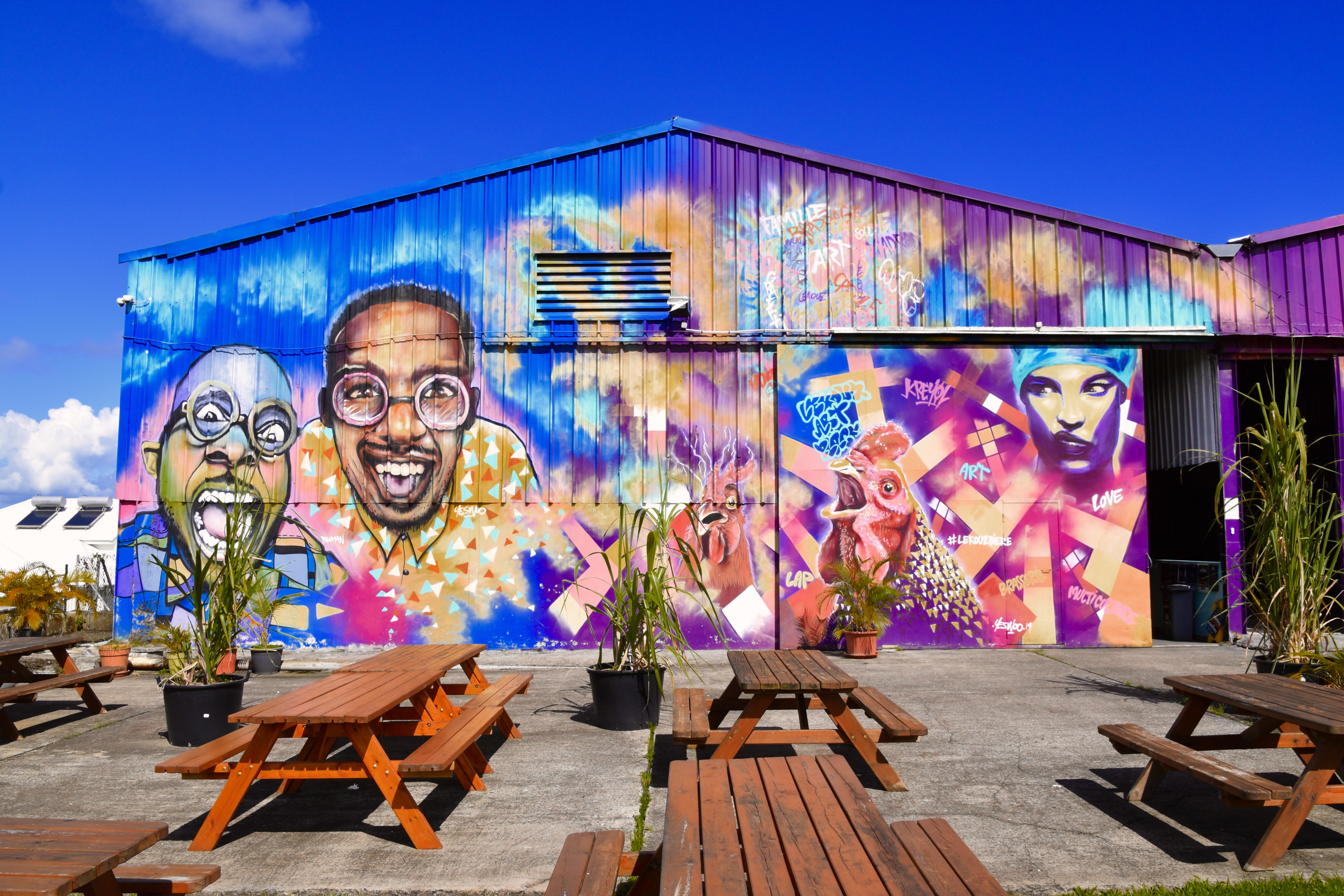
The rum industry is a significant part of Guadeloupe’s cultural and economic landscape, deeply rooted in the island’s history. The island is renowned for the high-quality rum produced from locally grown sugarcane. Distilleries across the island produce a diverse range of rums, and tours (and tastings!) are available at almost all. I enjoyed my experience at Distillerie Papa Rouyo, a newer distillery housed alongside LeKouze brewery. Distillerie Longueteau and Distillerie de Rhum Montebello are also highly recommended by travellers. And don’t forget the local rum punch – the Ti’ Punch – just cane sugar, lime, rum, and ice! Enjoy!
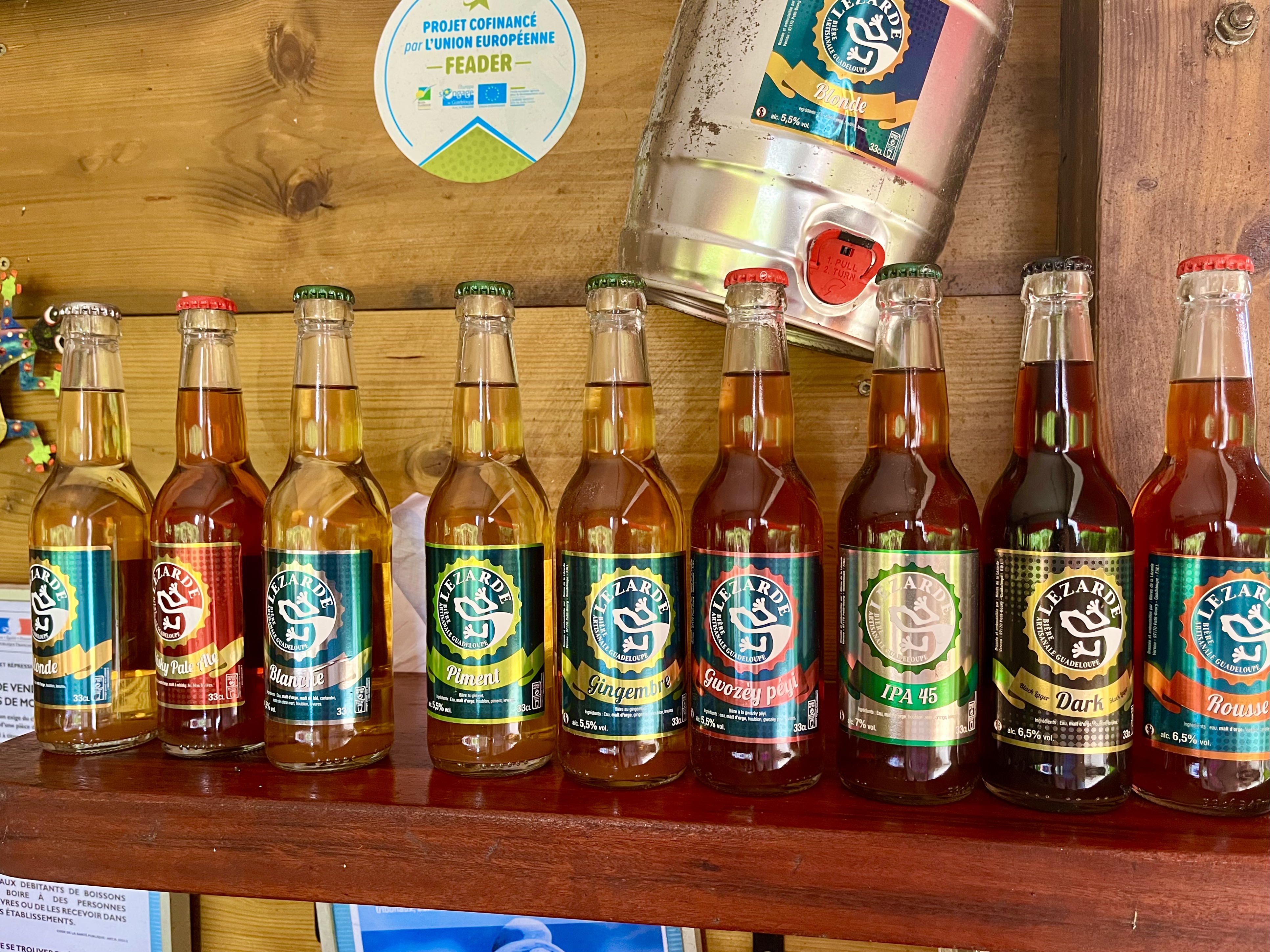
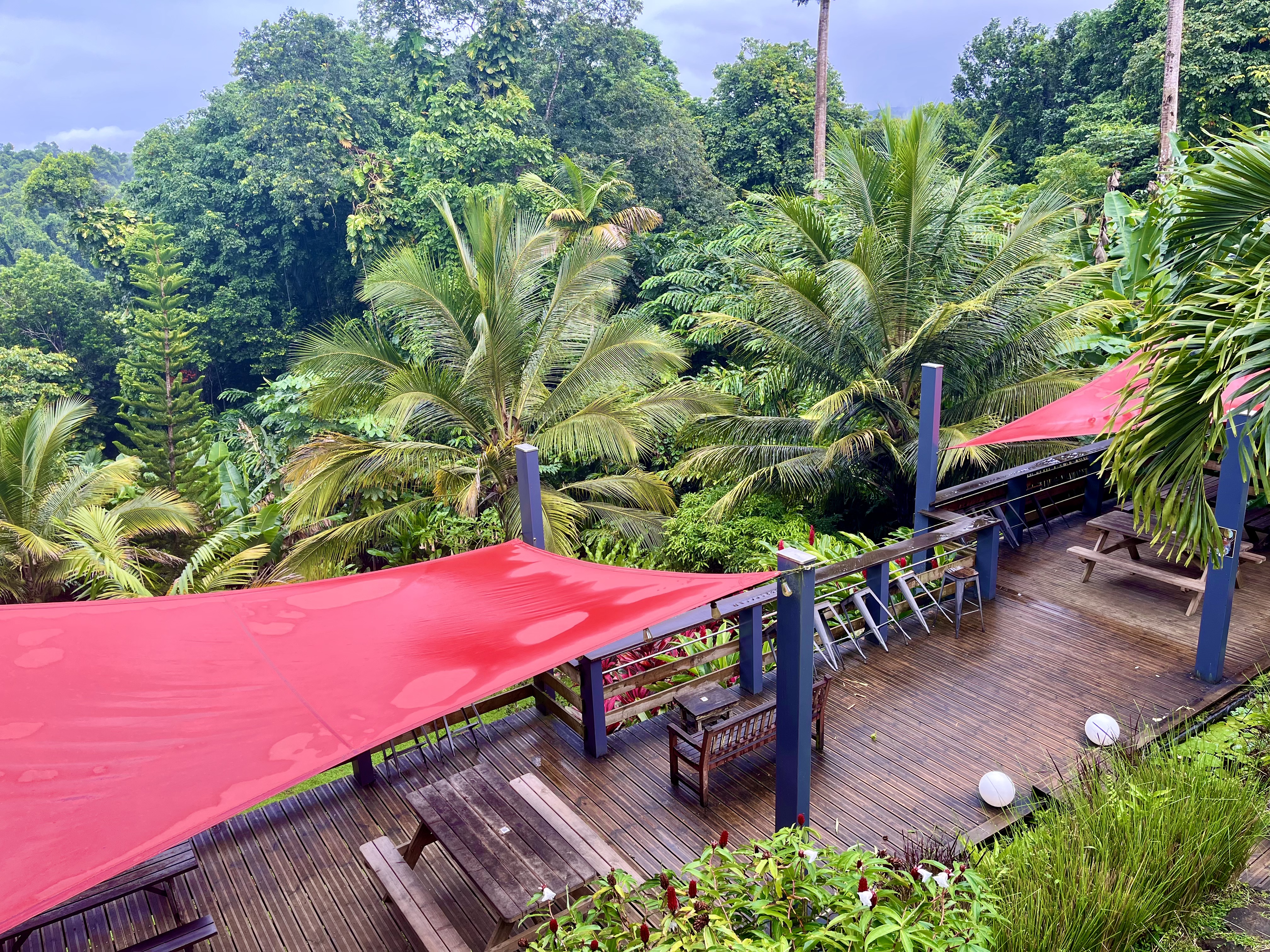
I make it a point to seek out craft and local beer experiences during my travels, and Guadeloupe offers a solid array of microbreweries. Among them, two standout options offer not just excellent beer but also breathtaking views. One such gem is Les Bieres de la Lezarde, nestled in the residential haven of Petit-Bourg. Here, you’ll find yourself enveloped by lush, multi-tiered gardens with strategically placed seating areas that overlook the picturesque valley. During my visit, I had the pleasure of speaking with the manager who introduced me to a diverse range of beers, from the typical ales and lagers to those crafted with more unique and local ingredients. The Gwozey Peyi, infused with hibiscus, stood out as a true gem with its sweet aftertaste. But be prepared for a fiery adventure with the Piment, a pepper-based brew that nearly blew my socks off!
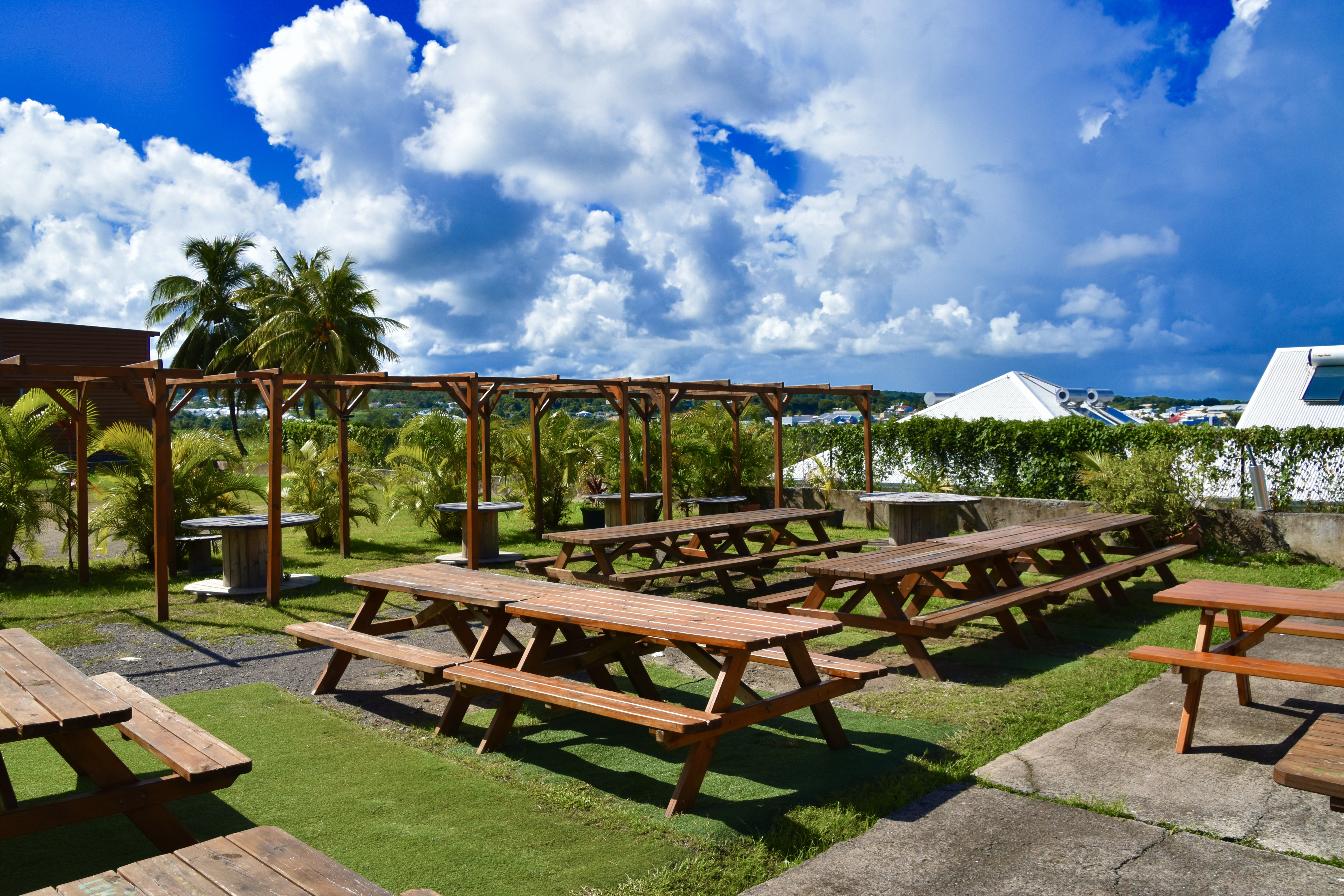
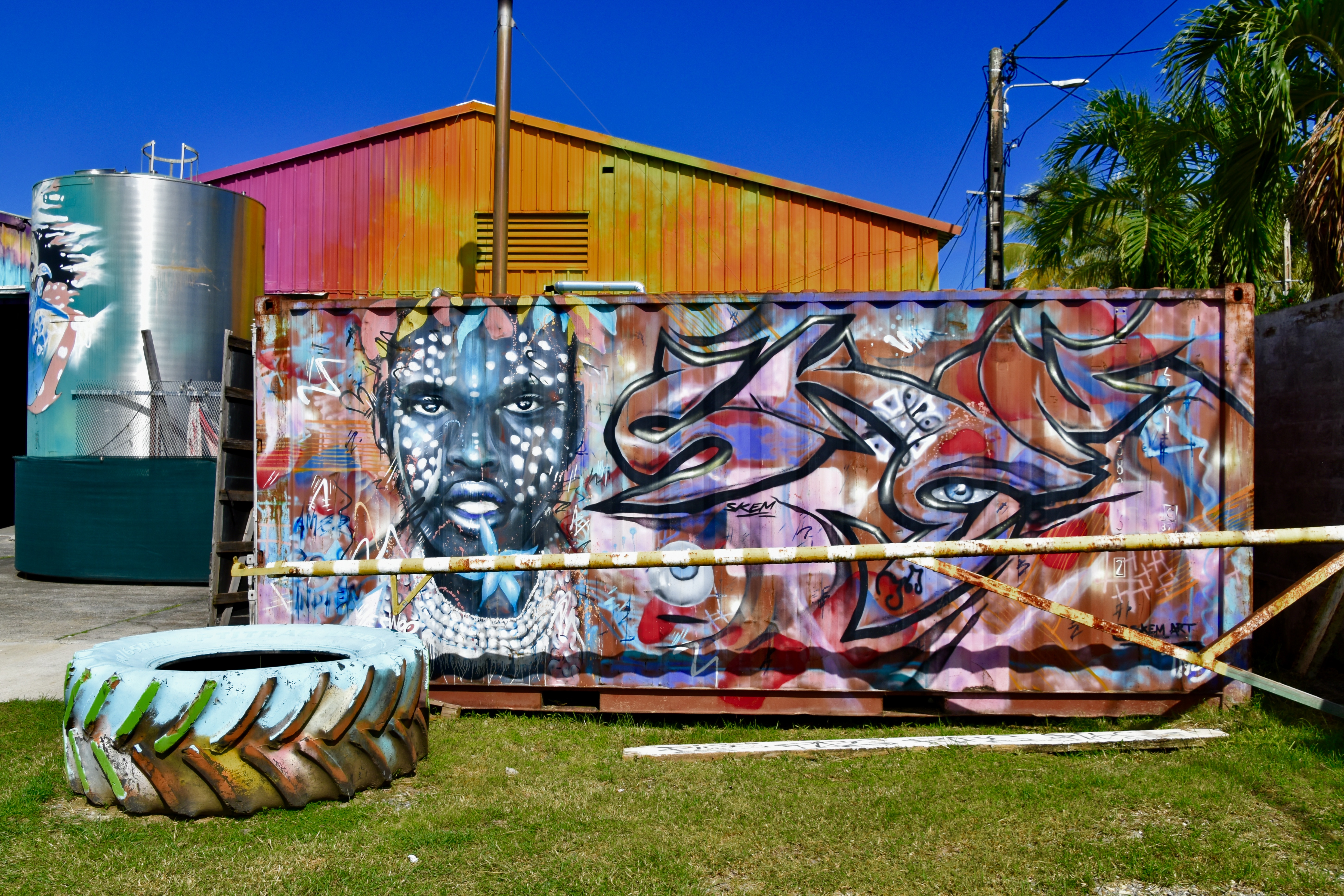
Another captivating option is LeKouz – known as “The Cousins” – a brewery that offers a great blend of stunning views over the ocean, and outdoor and indoor seating. The brewery building itself, and the out buildings, showcase the artwork of local graffiti artists and muralists, providing a great visual element to your beer experience. During my visit, I arrived a bit early, finding the brewery not yet open. Nonetheless, I took a leisurely stroll around the property, capturing photos of the view and the artwork. A friendly encounter with a young man from the brewery left a lasting impression of Guadeloupe’s hospitality. Despite the unopened doors, he showed genuine kindness in offering me an ice-cold Amber Ale, promptly turning my wait for the doors to open into an enjoyable moment on the spot. This gesture epitomizes the warm spirit that Guadeloupeans readily shared with me during my time on the island, making all aspects of exploring truly unforgettable.
Scuba Diving – The Cousteau Marine Reserve
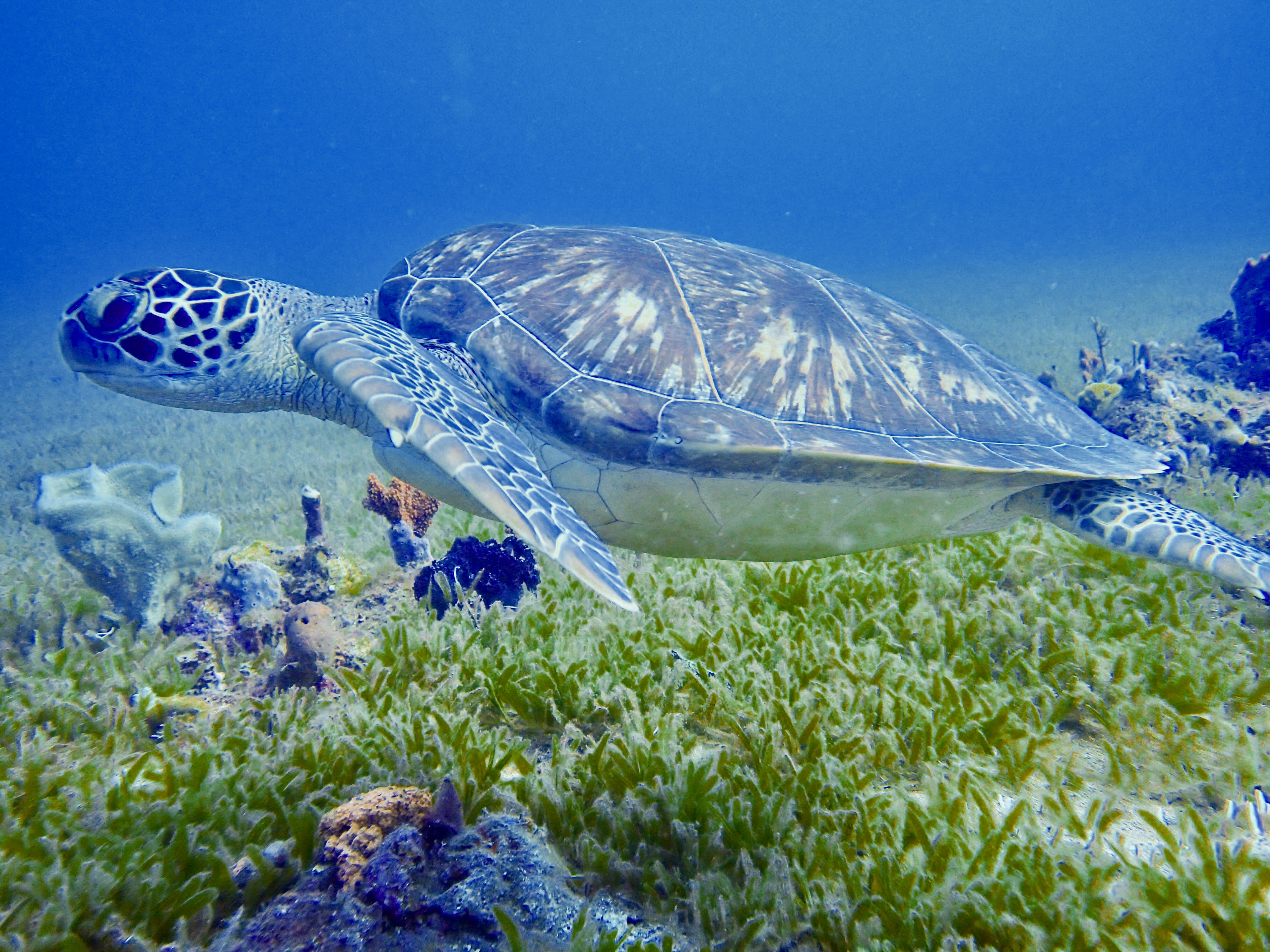
I couldn’t leave Guadeloupe without experiencing the diving at The Cousteau Marine Reserve, named after the renowned oceanographer Jacques Cousteau. This is a protected underwater reserve just off the coast of Basse-Terre. This biodiverse reserve is celebrated for its vibrant coral reefs, diverse marine life, and exceptional diving (and snorkelling) opportunities.
Nearby dive operator Heures Saines (“The Healthy Hours”) offers top-notch equipment for rent and employs highly skilled divemasters. They ensure safety and provide guidance for both beginners and experienced divers. The reserve is incredibly easy to dive in, with no significant current, and most dive sites are no deeper than 20 meters. If you’re looking for a deeper dive, you can arrange special trips with the dive shop in advance. They also frequently run dive charters to additional stunning sites along the coast.
During my four dives, we encountered sea turtles, schools of snapper, a very shy octopus, and much more. If you have an underwater camera, make sure to capture the stunning statue of Jacques Cousteau, located at a depth of just 13 meters in the reserve. It’s a unique experience to see the tribute to one of the world’s greatest oceanographers under the sea.
Whether you’re a seasoned diver or just starting out, Heures Saines offers a variety of programs: you can sign up for an Open Water Scuba Course, try a Beginner Scuba adventure, or join a relaxing snorkeling trip while the divers explore deeper. For those looking for convenience, the dive shop offers free parking, and the boats take you to the marine reserve in under five minutes.
The dive center runs multiple two-tank dives throughout the day, starting in the early morning. This allows you to get in two dives, shower off the saltwater, and log your dives all before lunch. One of the perks of diving here? Don’t forget to visit the adorable, affectionate kittens that call the dive shop home and enjoy the panoramic Caribbean views!
Tips for Divers:
- Book in advance if you’re visiting during peak season (December to April) to secure your spot.
- Check the weather and sea conditions ahead of time. While diving is usually calm, it’s always good to confirm with the shop the day before.
- Underwater Camera Gear: There are incredible photo opportunities here, so bring an underwater camera to capture the vibrant marine life.
- Environmental Awareness: The Cousteau Marine Reserve is a protected area, so ensure you’re diving responsibly and respecting local rules, such as not touching the coral or disturbing marine life.
When to Visit
Guadeloupe’s tropical climate makes it a year-round destination. However, the island experiences two distinct seasons. The wet season, running from June to November, can bring heavier rainfall and occasional tropical storms. The dry season, from December to May, offers more comfortable weather with lower humidity and fewer rain showers, making it ideal for diving and outdoor activities.
My visit in early October was during the tail end of the wet season, and I experienced only short bursts of rain on two days. However, it’s wise to be prepared with a lightweight raincoat or shell, especially if you’re planning to explore outdoors during brief rain showers. The best time for diving is during the dry season, when visibility is at its peak.
Getting to Guadeloupe
The main airport is Pointe-à-Pitre (PTP), the island’s transportation hub. Several airlines operate regular flights from the U.S., Canada, and Europe, making it convenient to reach Guadeloupe from various locations.
- USA: Air France offers year-round service from Miami twice per week. American Airlines provides weekly service from Miami, while JetBlue operates seasonal flights from JFK with three departures per week.
- Canada: Air Canada offers three weekly flights from Montreal, while Air Transat provides seasonal service three times per week from Montreal. Air France also operates seasonal flights from Montreal twice per week.
- Europe: Air France, Corsair, and Air Caraïbes offer daily flights from France, while Neos operates weekly seasonal flights from Italy and Switzerland.
Once you land, Sixt Car Rental offers an easy and convenient pickup service at the airport. They’ll take you to their rental centre just a short drive away, where you can pick up your vehicle quickly. Renting a car is essential for getting around, especially for those who want to explore both the beach resorts and the more remote corners of the island.
Driving in Guadeloupe
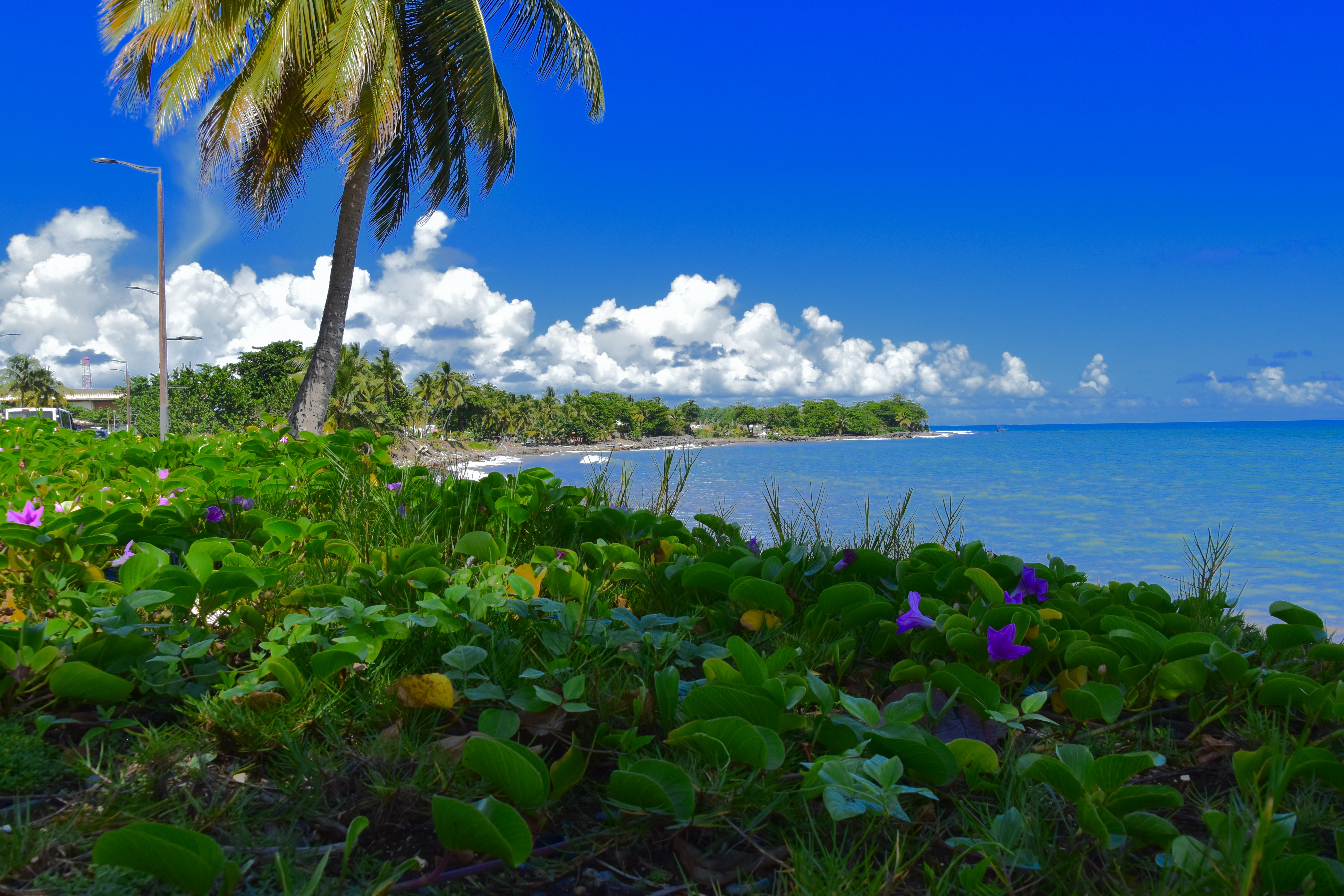
Driving in Guadeloupe is generally straightforward. Roads are well-maintained, though they can be challenging in certain areas, particularly in the mountainous regions. The coastal roads are scenic, offering beautiful views, but be ready for winding roads and several roundabouts. Signs are in French, but they are easy to understand, and the roads are well-marked. Outside of Pointe-à-Pitre, roads are generally clear, although you will encounter numerous roundabouts that may be unfamiliar if you’re not used to them.
Driving Tips:
- Speed Limits: Stick to the speed limits, which are clearly posted. In general, the speed limit is 50 km/h in urban areas and 90-110 km/h on highways.
- Roundabouts: Roundabouts are common in Guadeloupe. If you’re unfamiliar with them, watch for the yield signs to ensure you’re yielding to traffic within the circle.
- Road Conditions: While roads are mostly in good condition, be cautious when driving on some of the smaller mountain roads, as they can be steep and winding.
- Parking: Free parking is available at most dive centers, beaches, and main attractions, but always check local regulations to avoid fines.
#guadeloupe #caribbean #adventure #hiking #basse-terre #grande-terre #pointe-a-pitre #scubadiving #craftbeer #rum #frenchantilles
 sologetaway.org
Leave a comment