Casablanca Valley, Chile
Summer 2022
Embarking on a journey through Chile is incomplete without savouring its exquisite wines, and my recent one-day tour to the wineries of the Casablanca Valley, just an hour north of Santiago, was a testament to this undeniable truth. Organized by PrideTours Chile, this intimate adventure unfolded with just me, my knowledgeable guide Freddy, and our dedicated driver. The scenery on the way out of Santiago and into the misty hills of Casablanca was an unforgettable one.
Casablanca Valley Overview:
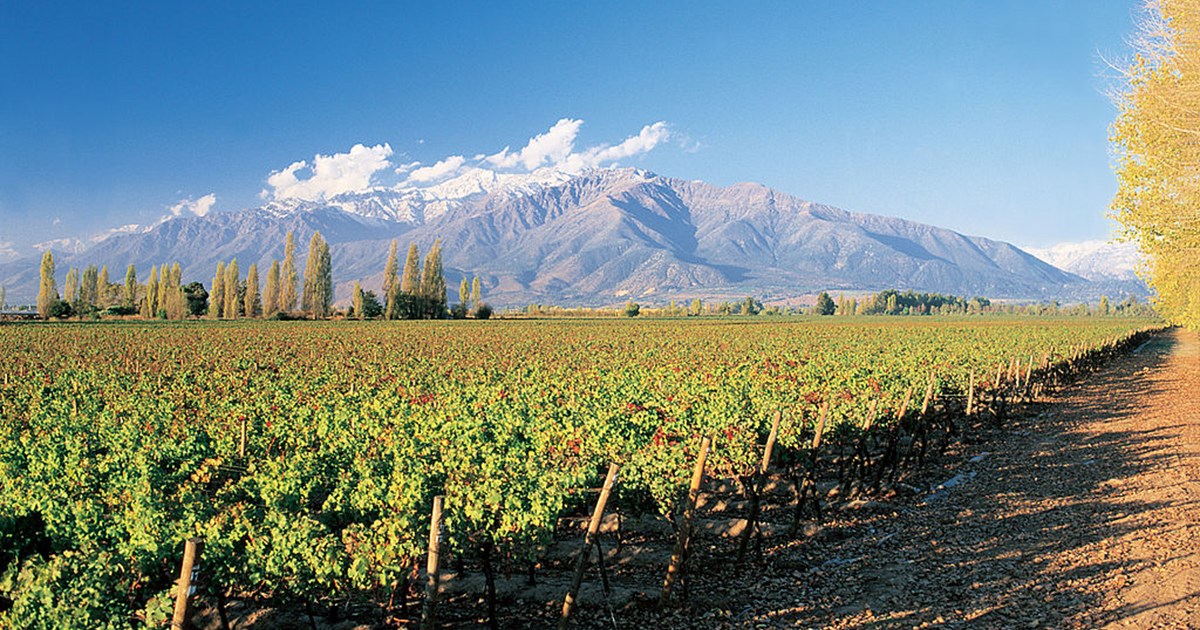
Nestled between the coastal mountains and the Pacific Ocean, the Casablanca Valley is a global beacon of wine production. Renowned for its refined white wines, especially the Chardonnay and Sauvignon Blanc varieties, the valley’s vineyards and wines promise a sensory experience against the backdrop of breathtaking landscapes. The valley is also home to red wines, such as the robust Carménère and the lighter Pinot Noir – both thriving in the cooler climate found in this coastal region.
Bodegas RE: A Boutique Winery with a Traditional Twist
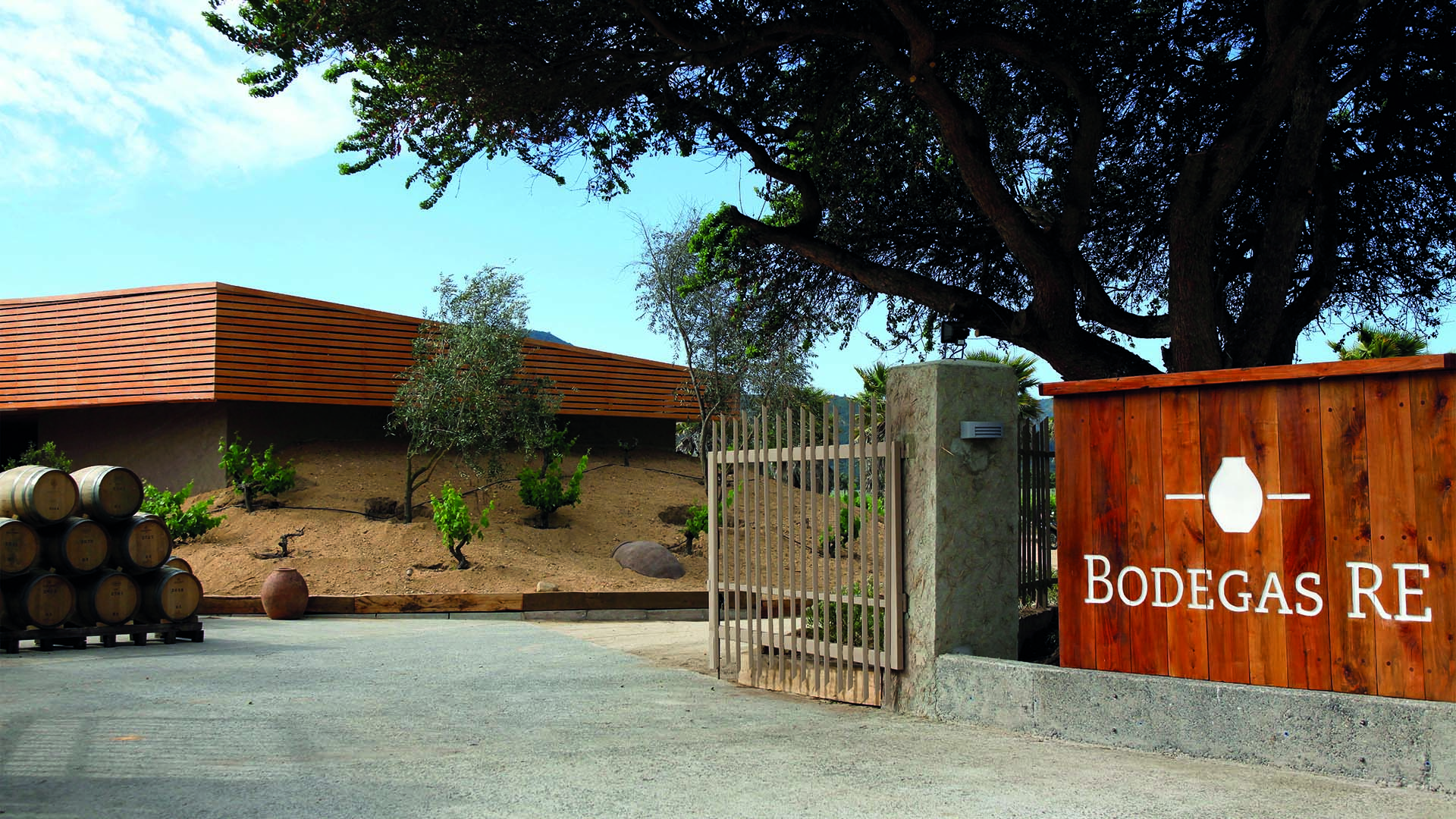
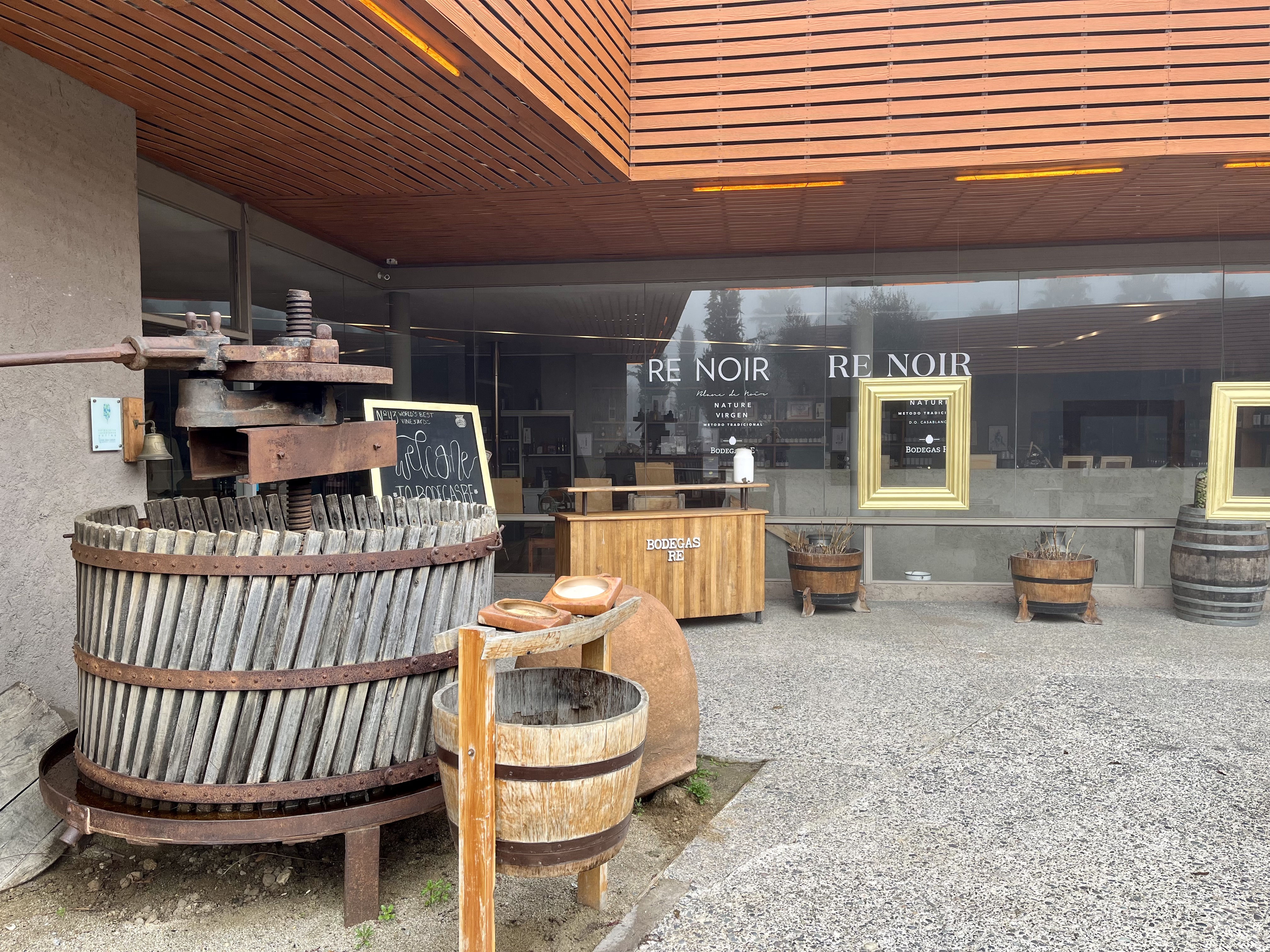
Our first stop, Bodegas RE, proved to be a hidden gem close to the highway, enveloped in the morning mist that day. Established in 2008, this boutique winery embodies the vintner’s commitment to REvolutionizing Chilean winemaking. Embracing traditional methods, Bodegas RE uses small and large clay jars to ferment and age their wine, with some jugs nearly a century old. They are REdiscovering and REcreating ancestral wine making methods in this family-owned boutique winery, after working in the mega-wine industry for years.
Bodegas RE Tasting Experience:
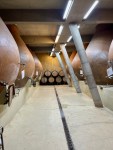

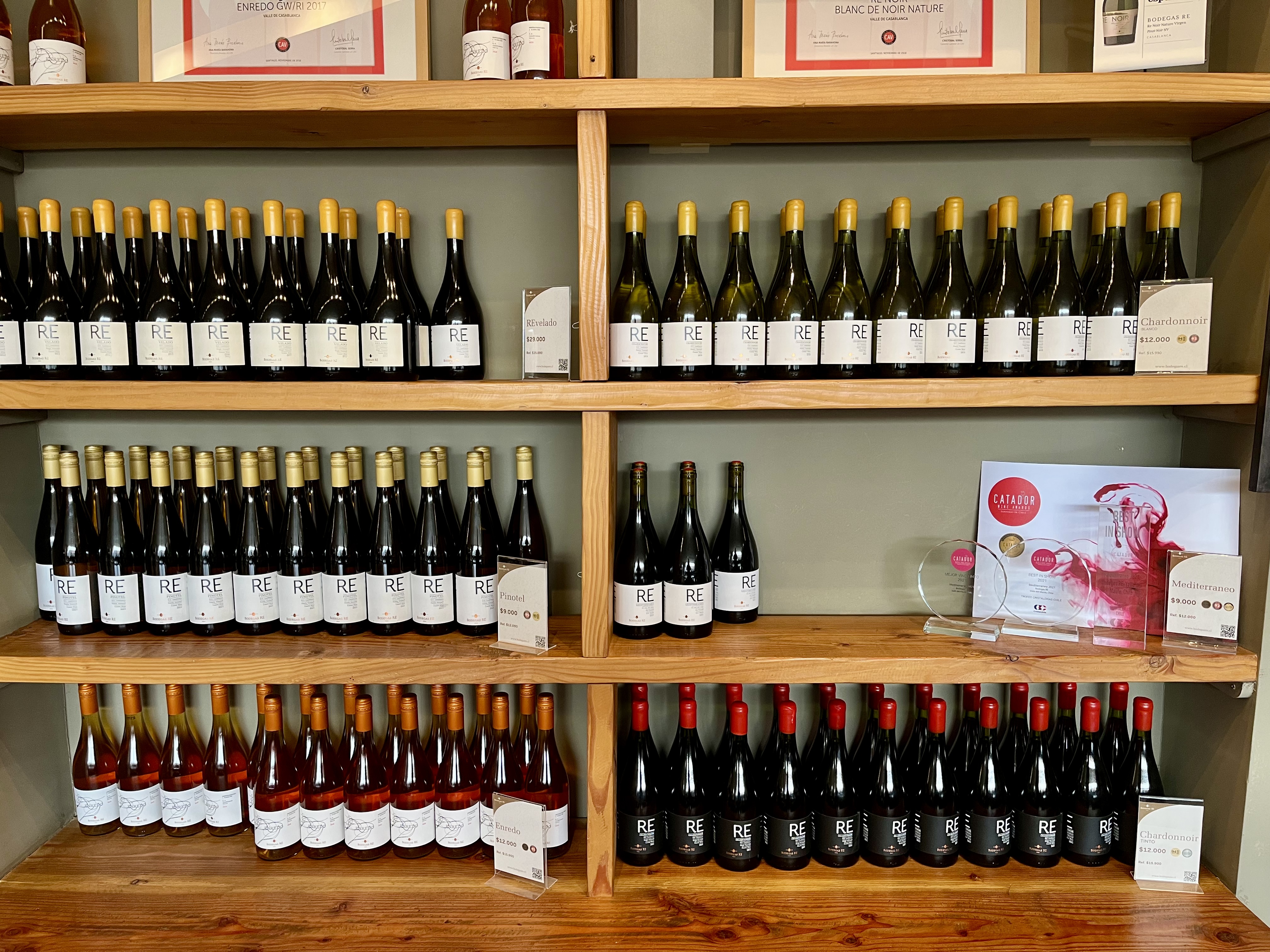
The tasting at Bodegas RE unfolded a palate-pleasing array, with five wines in offer, from robust reds featuring the lesser-known Carignan grape to delicate whites and an intriguing rosé. The standout was the RE Pinotel, a blend of Pinot Noir and Muscatel, offering a light strawberry hue and the depth of flavour characteristic of Pinot Noir. Accompanied by a platter of bread, cheese, and dried fruits with on-site-produced olive oil and red wine vinegar, the experience was nothing short of extraordinary. Wine pricing in the boutique started at around $15.00 CDN.
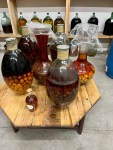
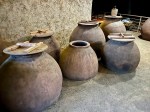
Exploring the winery, we witnessed the fascinating traditional clay pot winemaking process, with pots half-buried for temperature consistency. The incorporation of fresh fruit for liqueurs and vinegar in tiny batches, plus their homemade olive oil, added another layer of uniqueness to this family-owned operation. This is one not to miss if you visit the Casablanca Valley.
Casas del Bosque: Immersed in Grandeur
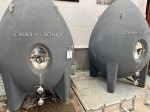
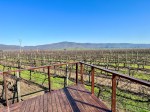
Our second destination, Casas del Bosque, presented a stark contrast with its grandeur and expansive grounds. Renowned for producing cold-weather varieties, they exclusively harvest white grapes at night, contributing to the robust and unforgettable flavours of their Sauvignon Blanc, Chardonnay, Riesling, Pinot Noir, and Syrah.
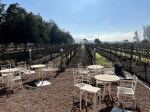
This winery is much larger than Bodegas RE with beautiful grounds that invite you to explore. There is also a fabulous restaurant onsite where you can savour a tasty lunch outside, weather permitting, and enjoy the views of the vineyards that climb up the hillsides.

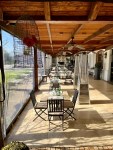
Wines are produced in larger quantities here and some are available for export – I have found them in the Ontario LCBO’s through their Vintages section – and range in price from a very reasonable $17.95 CDN for their Sauvignon Blanc to $44.95 CDN for their Pequeñas Syrah. However, on site, they produce an extensive array of wines as part of their reserve series, organic wines, and others types and styles.
Casas del Bosque Tasting Highlights:
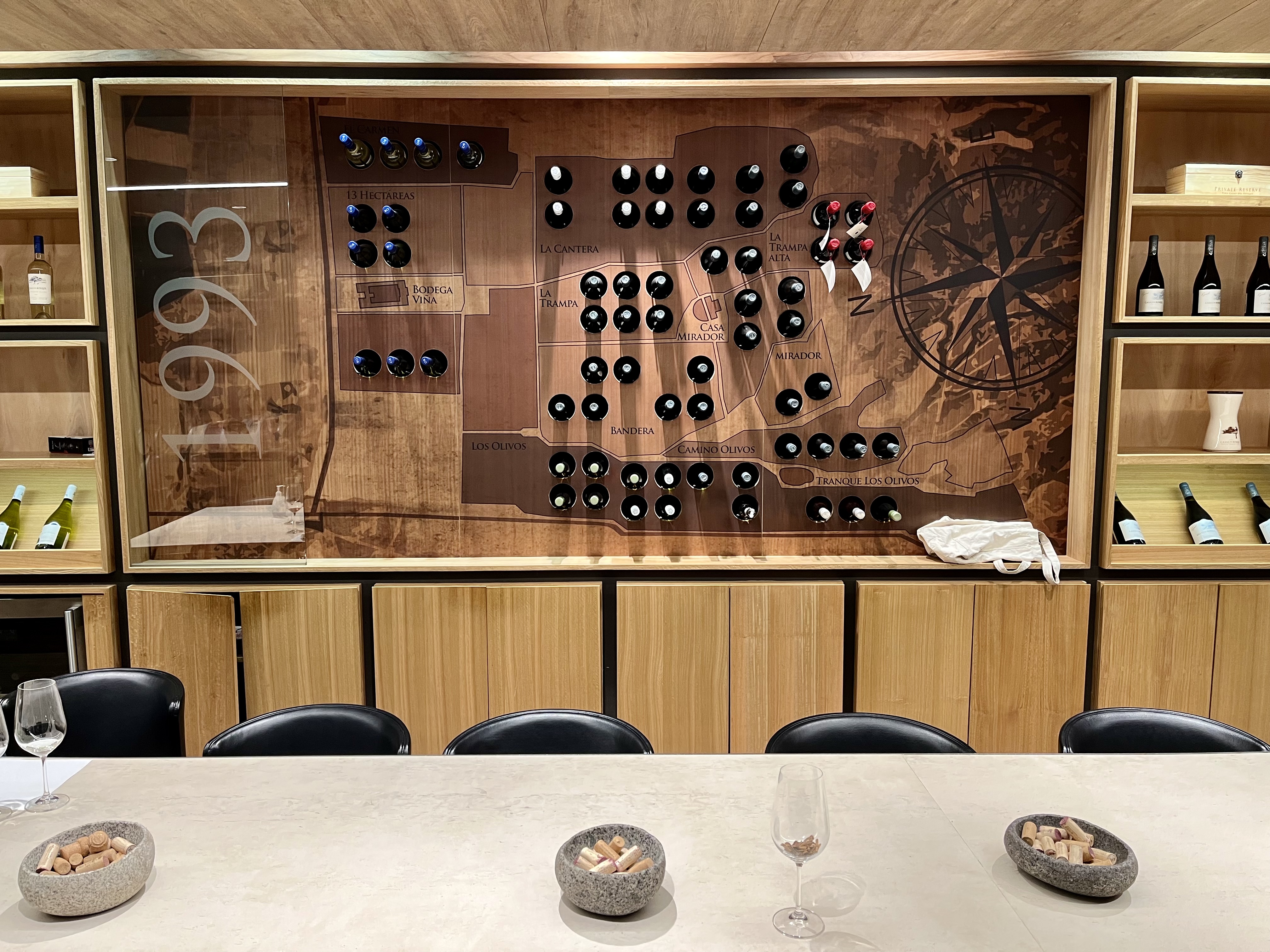
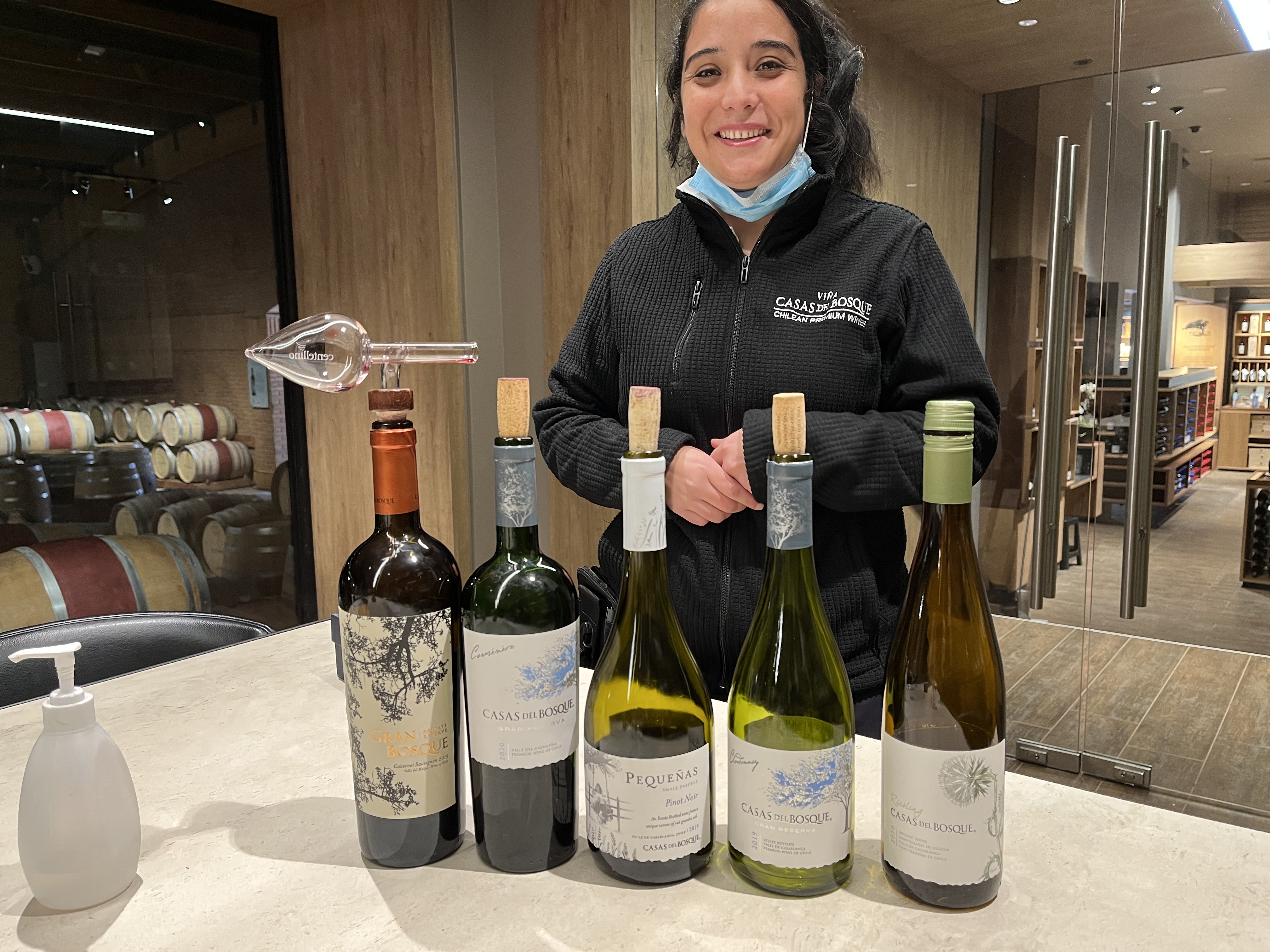
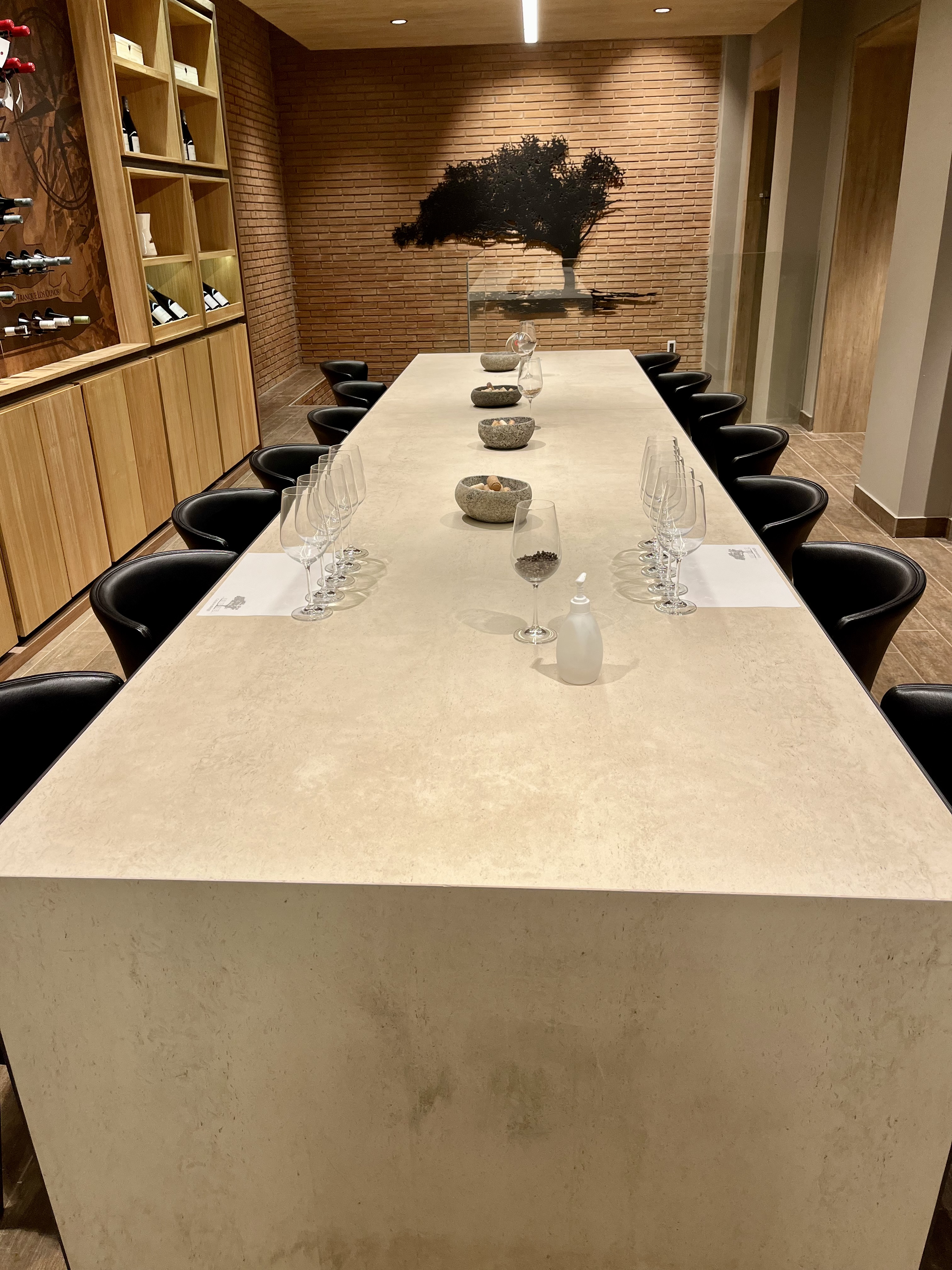
In an amazing private tasting room courtesy of PrideTours Chile, we indulged in a curated sampling experience. The five wines in the tasting ranged from the Grand Reserve series to the Small Parcels and Botanic series. Our guide Maria, with infectious enthusiasm, detailed the nuances of each wine and what made it special, showcasing the vineyard of origin for each tasting on a map of the Casablanca Valley.
All wines are created in an eco-responsible method but their wines in the Botánicos series are made with the least possible human intervention. In addition, all waste onsite – from the field, to the winery, to the restaurant – is composted in the vineyard. All labels are made with certified biodegradable inks, most of the total wine production is bottled in lightweight eco glass bottles, and all boxes are recyclable. It was very interesting to hear all the ways – expected and unexpected – that Casas del Bosque was taking to create high-quality wines that have the smallest impact on the environment.
An Unexpected Gem: Mural of Casas del Bosque’s Vineyards
One of the highlights of the tasting experience at Casas del Bosque -apart from the wines – was the mesmerizing mural depicting the vineyards surrounding us and the origin of each wine. This artwork added an extra layer of connection to the wines, visually narrating the journey from grape to glass! Each bottle on the mural represented not just a libation but a piece of the picturesque landscape that contributed to its creation.
Another unexpected gem in the tasting room was the use of the aerator, skillfully employed by Maria, to aerate the wine and mellow the taste, particularly for the red wines which would normally be decanted prior to sampling. I was so impressed with this gadget that I had to buy one in the showroom to bring back to Canada.
Conclusion:
Exploring the Casablanca Valley through its boutique wineries was an enriching and perfect day trip from the hustle and bustle of Santiago, offering a taste of unique wines rarely found outside Chile. The exchange rates made this indulgence even more appealing, and a few bottles from both Bodegas RE and Casas del Bosque made it home with me.
For anyone venturing to Chile, a journey to the Casablanca Valley is not just a wine tour; it’s a celebration of the senses, a fusion of exceptional wines, exquisite cuisine, and the stunning landscape that defines this remarkable region.
 sologetaway.org
Leave a comment